One of the most popular pastimes of Singaporeans is shopping. In the most densely populated country in the world, consumers escape the confinement of their homes to the proliferation of shopping malls that one sees throughout the city state. Consumers get excited about seeking out ‘what’s new’ and getting the best deals.
While some argue that traditional retail is dying, market research demonstrates that across all age groups people still draw comfort from seeing, touching, and testing the products they want to buy. While “showcasing” is a real problem for retailers (consumers trying products in store and then buying online at a lower price), a survey conducted by Novema in May 2013 shows that 60% of consumers are willing to pay more to buy their products in shops than online. But with shopping outlets so densely clustered, the temptation is always there for customers to browse here and buy next door.
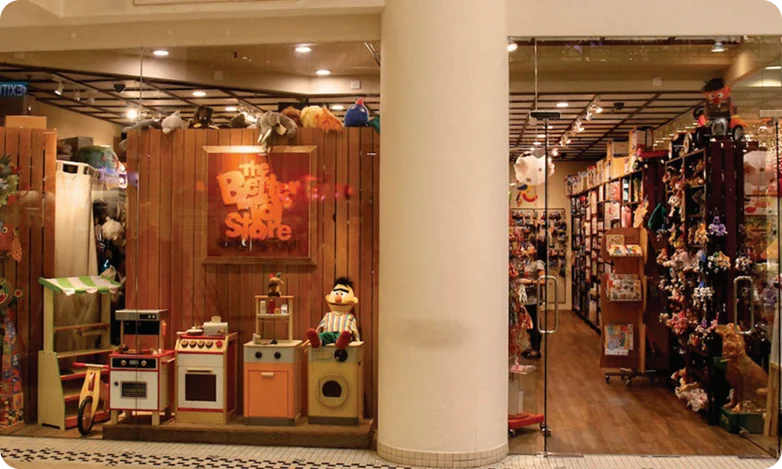
Susan Tay is one of the tens of thousands of independent retailers in Singapore competing for an increasingly discerning customer base. ‘The Better Toy Store’, with outlets at the Takashimaya and Tanglin Mall, has discovered how to succeed in this competitive market.
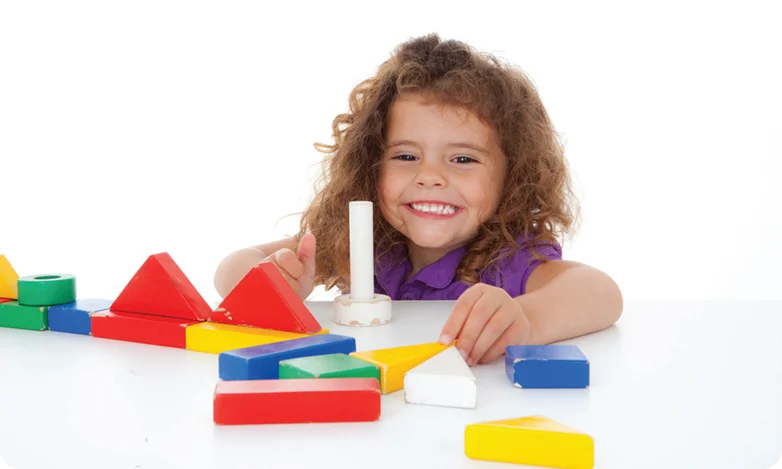
The Better Toy Store looked at the fundamentals of their product,
i.e. toys should be teaching and inspiring children. They combined this philosophy with sourcing high quality, award winning toys and games with the highest safety standards, and a commitment to environmental protection and sustainability.
The Beginning
Susan was an architectural student, and although she claims not to be a natural entrepreneur she decided that working in the corporate world was not for her, and this is what started her on the road to entrepreneurship.
Like most businesses, she had to start with the right product. Susan had heard about a company in Thailand that produced wooden toys from recycled products. Being an environmentalist, Susan was attracted not only by the concept of environmentally friendly toys, but also the quality of the products they were producing. From this Susan thought “Yes, this is what I am going to do – open an environmentally friendly children’s toy business.” Susan comments, “It was not so much spotting a gap in the market, but spotting a gap in my own life”, meaning Susan had found what she wanted to do – with an interest and enthusiasm for the products and the customers she was serving, it lead to the creation of a successful business.
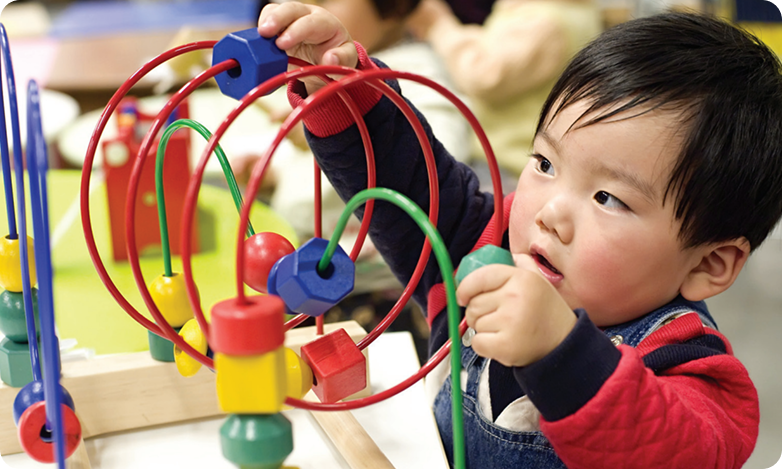
Starting in 1999 with just a table in a shopping concourse, products were displayed in a high traffic area and children would naturally gather around the table and play with the toys. From here she opened her first shop “TOTS (an acronym for The Original Toy Store)”, which sold high quality wooden toys that were certified as environmentally friendly. She broadened her supply to include toys imported from germany, again to very high safety and environmental standards. The “TOTS” business was even franchised to other countries and these stores are now found in Malaysia, hong Kong, and China.
her core business though was the Singapore market, and from “TOTS” she created a new retail brand “The Better Toy Store” which opened their first store at the Tanglin Mall shopping centre in 2005.
The Business TODAY
The key success factors of the store today include a) the products, b) the overall presentation of the store, and c) the service that the retailer provides to customers.
The Better Toy Store does not sell electronic toys. Susan comments “firstly batteries are bad for the environment, but in general we discourage electronic toys. They tend to give set answers like ‘what colour is the sun?’ You’re supposed to answer ‘yellow’, but the sun is not just yellow it is light made up of seven colours. Set answers can stifle a child’s learning and creativity.
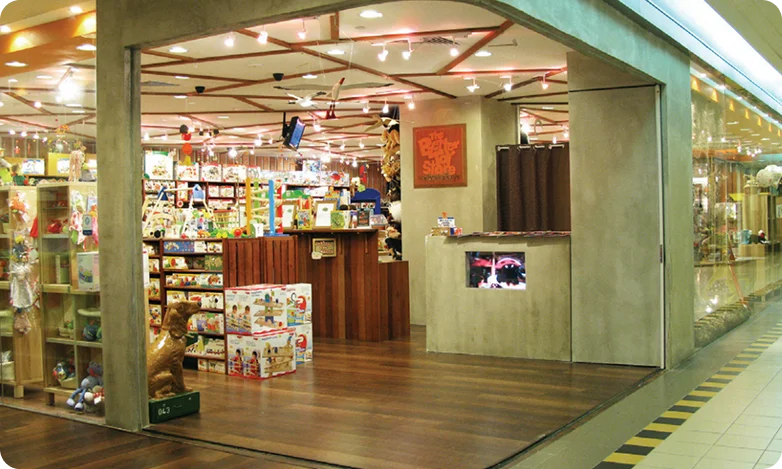
The Better Toy Store does not see many direct competitors to their business because most other toy stores market low cost plastic products and concentrate on faddish toys. With a few exceptions Susan avoids character toys. Although these sell quite well, Susan feels that fad and character toys are incorrect from a learning point of view. “Some of these toys and games do not stretch the child’s imagination or skills of improvisation” Susan points out.
The Better Toy Store in itself is an attraction – people want to go there to see the toys for real, to touch and feel the products, and for the in-store experience that is enhanced by the beautiful designs of the toys that can only be fully appreciated off line. The store even attracted the management of the Takashimaya shopping mall who were looking for new tenants in the shopping mall’s ‘child zone’. They were so impressed by The Better Toy Store and its ability to attract customers that they offered Susan favourable rental to convince her to come in to their mall. “Beauty is a universal language. every mother thinks her child is beautiful and deserves a beautiful toy”. Furthermore with all the scares in recent years about the safety of children’s products, they want the best for their children and are usually willing to pay more for it”.
But perhaps the greatest mark of The Better Toy Store’s distinction is the service that customers receive – something that online retailing simply cannot provide. Their staff always go to the trouble of opening up the packaging and explaining the toys to their customers. even though they have an online business with a delivery service, they encourage customers who have bought online to collect their toys from the shop so that they can be better demonstrated to customers. Such an approach would seem to go against the principles of an online business, but it provides an engagement opportunity with the customer and with it cross sell opportunities.
Despite the success factors of The Better Toy Store, Susan recognises that retailers in Singapore face many challenges today. While she benefited from having a landlord who really wanted her tenancy, most retailers face rising costs for rents. Staffing is another challenge – since customer service is so important within the retail category, the staff really need to know their products and how to explain them properly to customers.
The Better Toy Store ensures that they employ more educated staff, many of whom have diplomas and degrees. They also seek arts students who like to work with these products, attracted by their beauty and creativity. Susan provides opportunities for staff to champion different parts of the business from managing the accounts to social media marketing – this gives staff opportunities to widen their skills and generally keep them interested in the business.
To date, she has not undertaken any market research. Susan admits she knows very little about research except being an obliging respondent to the various market research firms who call her up from time-to-time.
The Better Toy Store is a great case study of how traditional retailing can prosper in light of competition from low cost retailers and the online channel – you have to see it for real to appreciate the beauty of the product and for knowledgeable, articulate staff to explain it to you. And as for the role of market research, sometimes it is about reassuring the client that they have still got it right and for research to show case this to the public through customer testimonials.