The Role of Innovation in Education
Some see education as tightly bound to a set curriculum, relying heavily on rote learning. There’s a case for this: standardized exams make it easier for universities and employers to compare students fairly. In fact, rote learning, when led by skilled teachers, can be efficient, guiding students directly to the ‘right answer’ without the distractions of open-ended exploration.
But the landscape is shifting. Research from Novema shows that parents increasingly value innovation in education. For international schools in particular, this isn’t just a nice-to-have, it’s a key differentiator. The Novema annual brand equity survey consistently finds that an “innovative approach to learning and child development” is one of the strongest drivers behind parents recommending a school.
But what type of innovation are parents looking for?
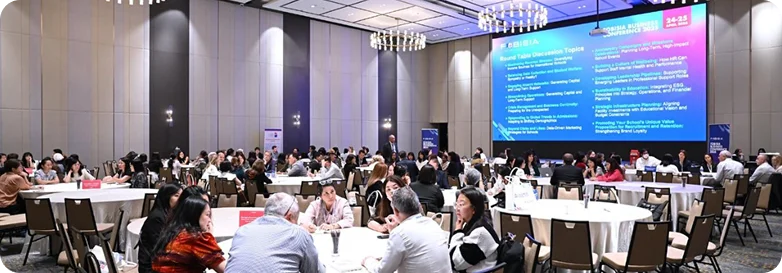
Novema asked parents what some of the innovative approaches to learning and child development they have been most impressed by. The Federation of British International Schools in Asia (FOBISIA) promotes British-international education for various schools in Asia, and at their recent business conference in Bangkok, Novema reported on the findings from the Novema research, specifically on innovation, and convened round table discussions around how schools can generate additional revenue.
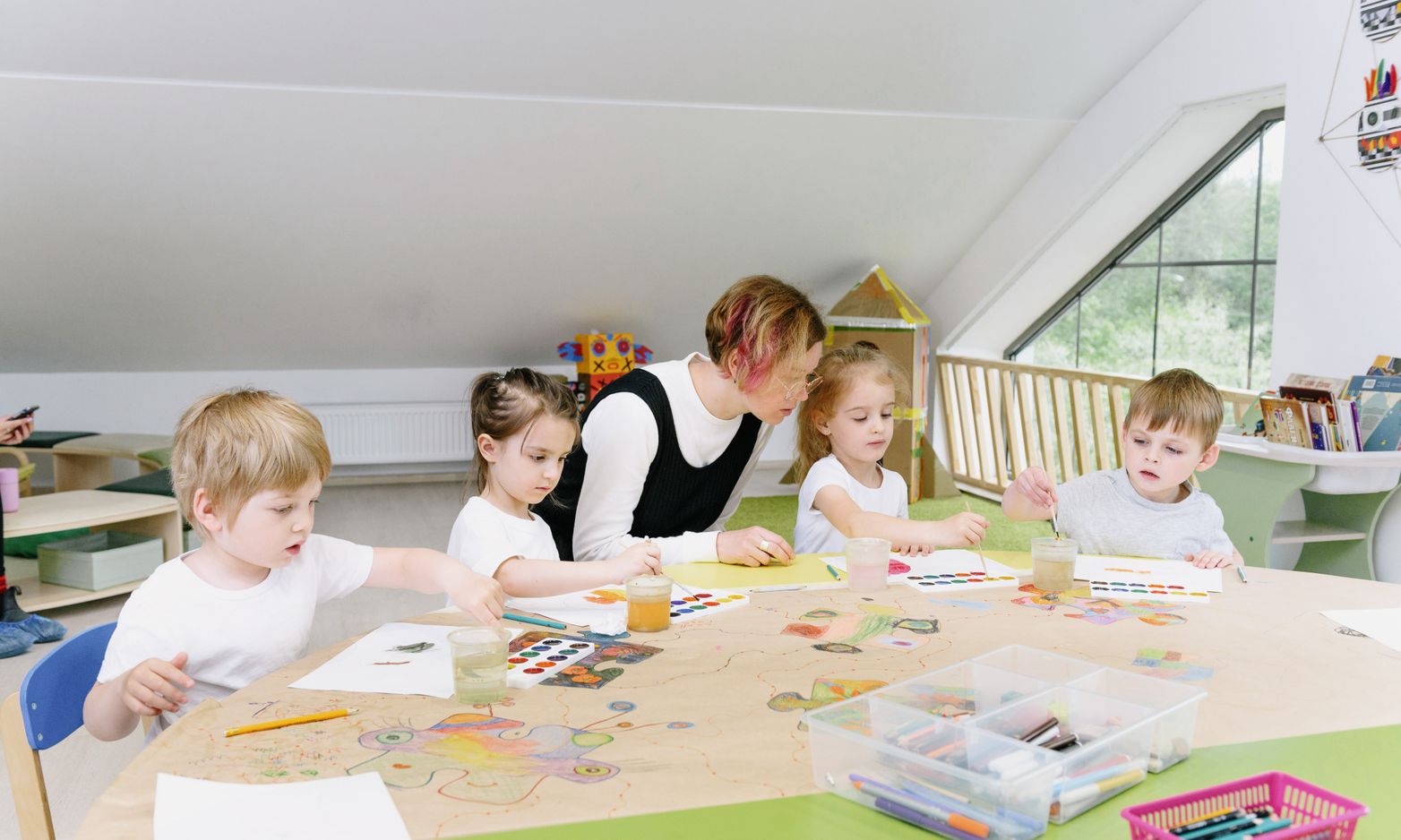
The question was asked according to the stage of schooling the parent currently had their child enrolled. For primary years, the innovative teaching techniques or approaches highlights a preference for holistic and diverse approach to primary school education, integrating modern technology with traditional and experiential learning techniques, plus managing English as a Second Language (ESL).
Some of the specific examples include the use of open and flexible classroom designs, outdoor learning, play based and problem-solving over traditional academic approaches, rotating schedules to break from routines, and ‘thoughtful use of technology’. Other ideas included learning through mixed-age groups and co-teaching, especially in bilingual contexts. Even at these younger ages, parents look for leadership programs to be integrated into the curriculum to build the confidence and social skills of children.
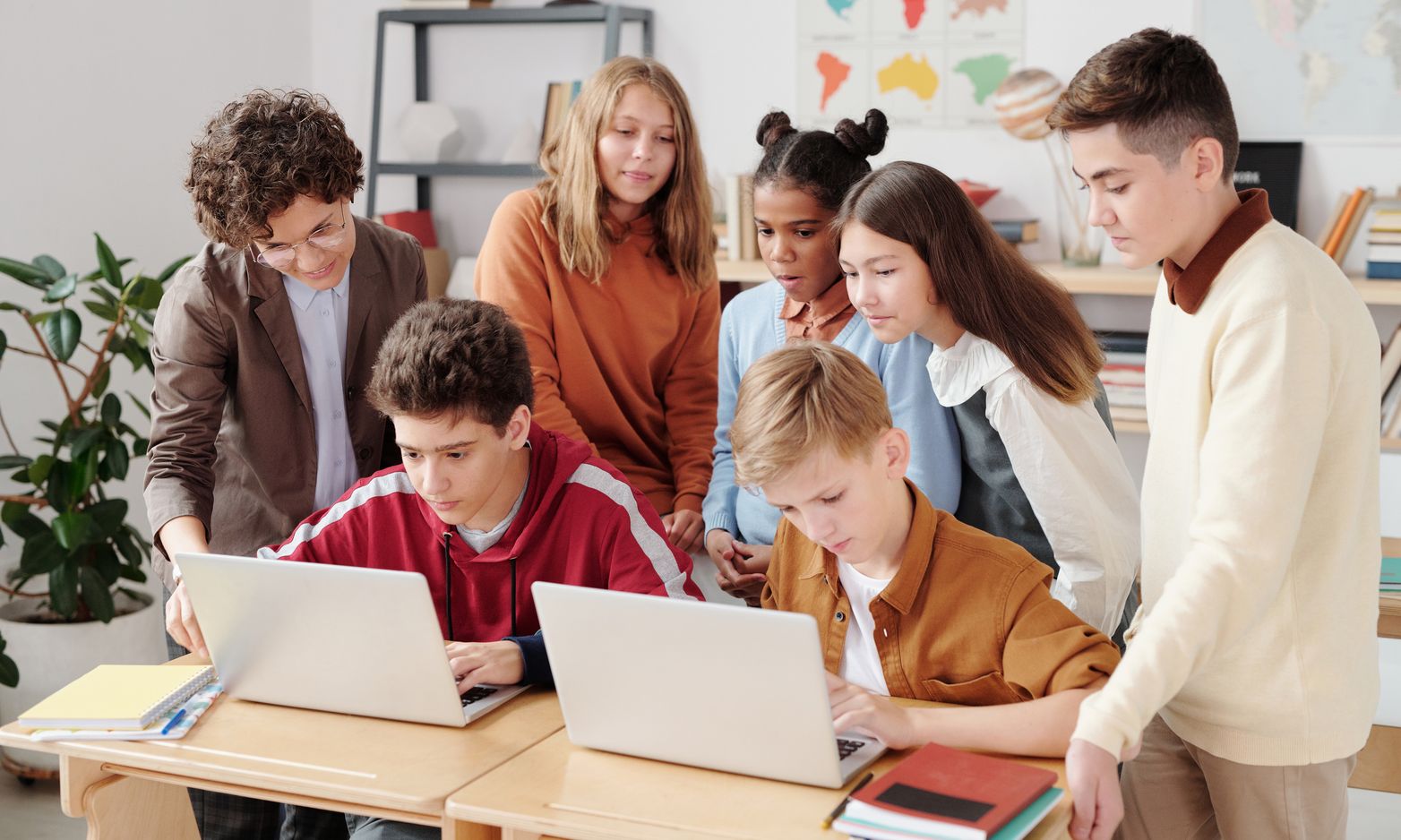
For secondary years, parent feedback highlights a preference for a modern, innovative approach to secondary education that emphasizes flexibility, creativity, critical thinking, real-world application, and languages. More innovative curriculum can include business and real-world applications, STEM including design elements, and more concept or project-based learning.
To enhance language skills, some parents would like to see subjects such as mathematics, geography, and history taught in multiple languages promoting bilingual or multilingual education.
Novema has also started research to understand how parents would like to see the use of AI in schools, and how this should be taught to children. Our initial exploratory research with parents show that most parents see a role for AI in the operational management of schools, or reducing administrative burdens of staff, but some are more cautious about its use in the classroom.
AI should serve as a tool to augment human judgment, to assist & enhance but not automate entirely. Applications that parent want to see AI use are in AI-marking for quantifiable answers, but they state that human input is crucial for qualitative assessment of student’s critical thinking and nuanced arguments that AI cannot fully grasp.
Parents also see a role for AI algorithms to be used in analyzing data on student learning styles, academic performance, and social dynamics to suggest optimal groupings. But human oversight is important in the development of empathy through cross-cultural interactions that are not easily quantifiable and requires human input to ensure diversity.
BOT teachers or lecturers are now being used in some institutions, and parents see these as useful in for personalised instruction and 24-7 availability and to have supplementary teachers using Large Language Models (LLMs) specifically trained for the area of study.
But parents point out that AI lacks empathy and nuanced understanding to foster genuine learning and personal growth, BOT teachers also risk dehumanizing the learning process, and could be the slippery slope to replace human teachers.
What our initial research shows is that parents certainly see a role of AI in education, but there are many concerns over its use. For this reason, we will be undertaking more research into parents expectations of AI use in schools in our upcoming International Schools Brand Equity & Market Insights study in September this year.