

Diagnosing Customer Effort for Better Product Design

Customer loyalty research has evolved to recognise that few customers have true loyalty to brands. Research has shown that 94% of today’s brands could disappear without consumers caring, and 77% state they have no relationship with any brand.
Talking to Generations – Part 5: Gen Z & Y and Video Gaming

As part of our in-depth research into media consumption habits and preferences with the Republic Polytechnic, we looked at the role of video gaming in people’s lives to see how much gaming habits related to more general media habits.
Talking to Generations – Part 4: Gen Z & Y attitudes to advertising

Consumers want free content, and exposure to advertising is the price they need to pay to get it.
Talking to Generations – Part 3: Genre Preferences

Media companies are having to invest heavily in content, but often lack direction in knowing what consumers really want.
Talking to Generations – Part 2: Media Motives & the Role of TV

Generally, the motives to consume media are entertainment, filling time, as a form of relaxation, for general interest and sometimes to aid education and studies.
Talking to Generations – Part 1: Media Habits of Gen Y & Z in Singapore
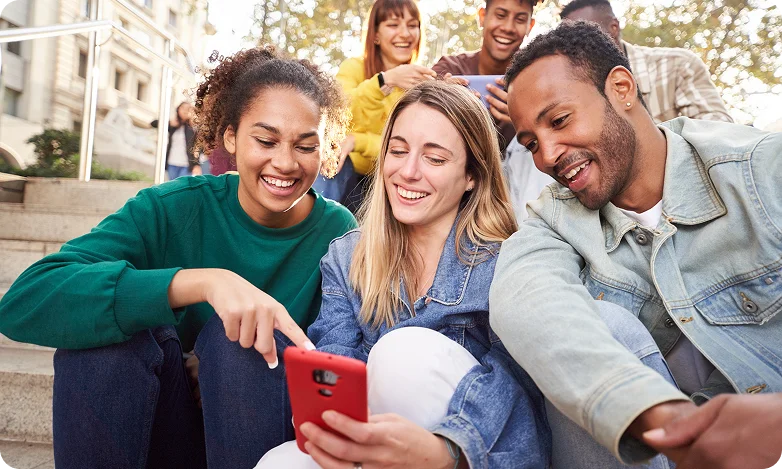
Media consumption is growing by virtue of more access to media, e.g. through mobile devices, and more choices through a multitude of free and subscription-based services.
The Pre-School Feeder Market

International schools are highly dependent on reaching out to parents with children at pre-schools.
The Role of Innovation in Education

Some see education as tightly bound to a set curriculum, relying heavily on rote learning. There’s a case for this: standardized exams make it easier for universities and employers to compare students fairly.
System 1 & 2 in choosing schools

International schooling is complex market, requiring a multi-faceted high quality product offering.
Third Culture Kids & Families
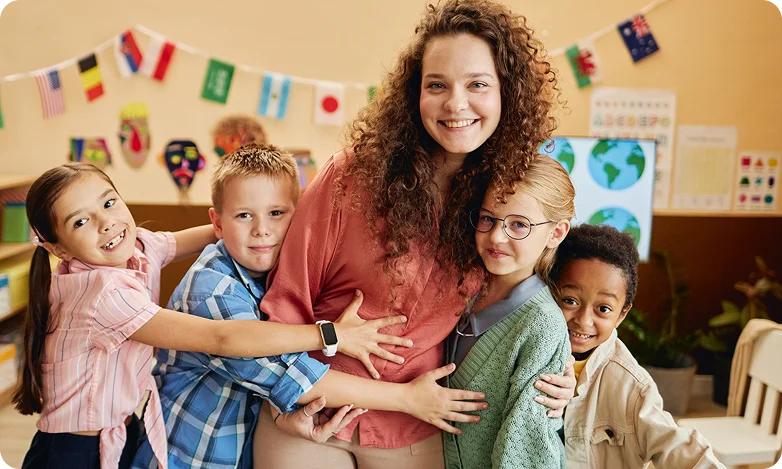
Firstly, how are we defining Third Culture Kids (TCKs)? There are several definitions, but it is generally assumed to be children raised in a culture other than their parents, or a different country to that named on their passport.